Pet Stains and Odours: Best Carpet Cleaning Tips in Geelong, VIC
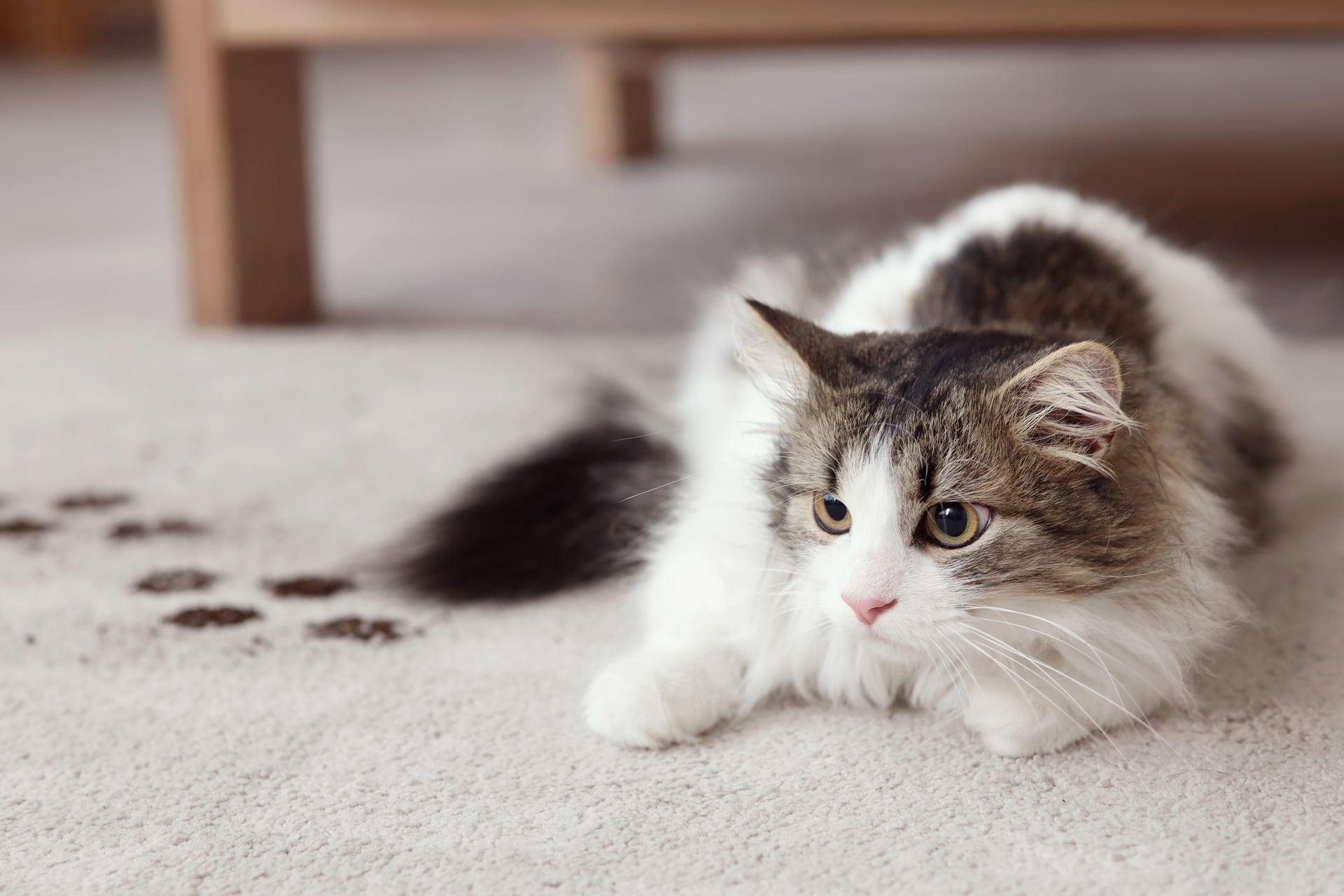
Pet accidents are one of the most common reasons homeowners reach out for carpet cleaning help in Geelong, VIC. Whether it is a puppy still learning the ropes or an older cat with occasional mishaps, the mess left behind can damage carpet fibres and affect your home's air quality if not treated quickly and correctly. Acting fast, using the right products, and knowing when to call in professionals can make a real difference to the life of your carpets.
What Should I Do Immediately After a Pet Accident on Carpet?
The first few minutes after a pet accident are the most important. The faster you act, the less chance the stain has of soaking deep into the carpet fibres or the underlay beneath.
- Blot the area firmly with a clean, dry absorbent towel, working from the outside of the stain towards the centre. Do not rub.
- Apply a small amount of cool water to the area, then blot again to lift more moisture.
- Repeat until no more liquid transfers to the towel.
- Avoid heat, steam, or hard scrubbing at this stage. These can set the stain and bond odour-causing compounds into the fibres permanently.
The goal is to remove as much of the urine or waste as possible before it has a chance to dry. Dried stains are significantly harder to treat with
carpet cleaning.
Which DIY Methods Safely Treat Pet Stains and Odours?
Once you have blotted up the excess moisture, a careful DIY treatment can help with the remaining stain and smell. Always test any solution on a hidden section of carpet first to check it does not affect the colour or fibre.
- Mix a small amount of mild, carpet-safe detergent with cool water. Apply lightly to the stain, blot, and rinse with clean water.
- For persistent odours, use an enzymatic cleaner formulated specifically for pet accidents. These products break down the organic compounds that cause the smell. Follow the label directions carefully.
- Avoid scrubbing; blotting gently and working in small amounts of solution at a time gives better results.
Keep in mind that some stains, particularly older or repeated ones, may not respond fully to DIY methods. Older accidents can cause dye damage that no cleaning method can reverse, so setting realistic expectations is important.
What Products or Techniques Should I Avoid on Pet Stains?
Using the wrong product for carpet cleaning can make a pet stain harder to treat and cause lasting damage to your carpet.
- Avoid vinegar-only solutions and bicarbonate of soft drink pastes. They can leave sticky residue in the pile that attracts fresh soil and may not fully neutralise odour compounds.
- Skip coloured or scented household cleaners not designed for carpets. They can bleach dye, leave residue, or damage fibres.
- Do not use steam cleaning on a fresh urine stain. Heat bonds ammonia and odour proteins into carpet fibres, making the smell worse and harder to remove later.
- Avoid soaking the carpet with large amounts of water. Over-wetting can push contamination deeper into the pad and backing.
How Do I Remove Lingering Pet Odours From Carpet?
Persistent pet odour is one of the most common complaints from Geelong, VIC, pet owners. The smell often returns after an initial clean because the source is deeper than the carpet surface.
- Pet urine soaks through the face yarns and into the underlay. Treating only the surface leaves the odour source behind. A thorough treatment needs to reach the pad as well.
- Use a professional-grade enzymatic deodorising product and allow adequate dwell time as directed. Rushing this step reduces its effectiveness for carpet cleaning.
- Improve airflow in the room during drying. Open windows, run a fan, or use a dehumidifier. Damp fibres hold odours much longer and can develop mustiness.
- In cases where the pad is heavily saturated, surface treatment alone may not be enough. Professional extraction equipment is better equipped to address deep contamination.
When Should I Call a Professional for Carpet Care?
Some pet stain situations are beyond what household products and effort can resolve. Knowing when to call a professional for carpet treatment can prevent further damage.
- Stains that have been left for more than a day or two, spread over a large area, or keep returning after DIY treatment.
- Persistent odours despite the correct use of enzymatic cleaners.
- Homes with multiple pets or high-frequency accidents where the carpet and underlay may carry heavy contamination.
- Households where allergy sufferers or young children are spending time on the floor regularly.
- Annual or semi-annual maintenance cleans are also worth scheduling. Routine professional carpet care removes embedded soil and odour build-up before it becomes a bigger problem.
How Can I Prevent Future Pet Stains and Odours With Carpet Cleaning?
Prevention is always easier than treatment. A few simple habits can significantly reduce the impact pets have on your carpets.
- Place washable mats or area rugs in spots where your pet rests or plays most often. These are far easier to launder than wall-to-wall carpet.
- Keep an enzymatic cleaner on hand so you can treat any accident immediately rather than waiting for a trip to the shops.
- Schedule regular professional carpet treatment to stop soils and odours from building up over time.
- Maintain your pet's grooming routine and keep litter areas and outdoor spaces clean to reduce the transfer of waste and dander into the home.
Consistency is key. Small, regular efforts add up to healthier carpets over the long term.
Steam Cleaning vs. Low-Moisture Methods for Pet Stains: What's the Best?
Not all carpet care methods work the same way for pet stains. The right choice depends on your carpet type, the severity of the problem, and the condition of the underlay.
Hot-Water Extraction (Steam Cleaning)
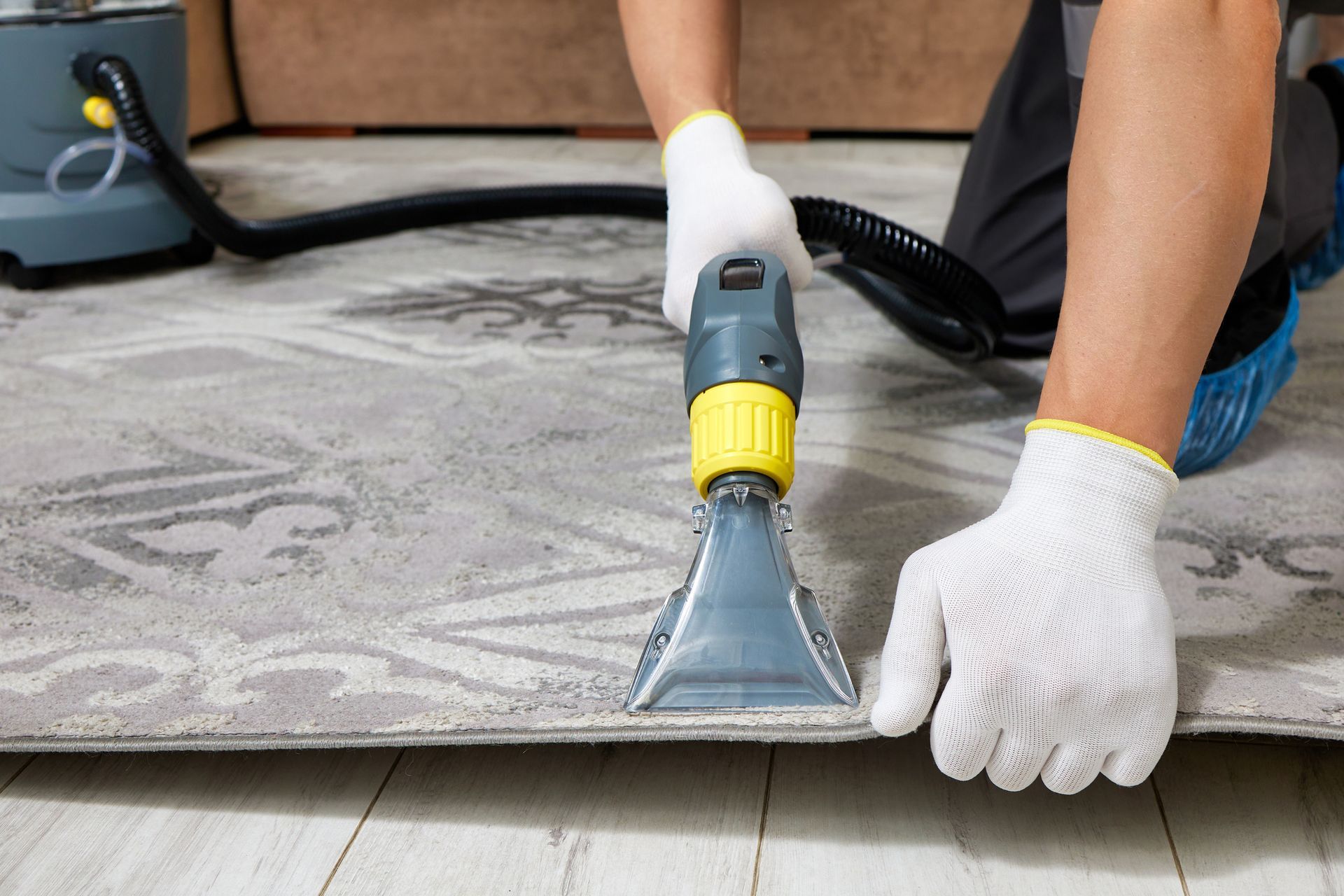
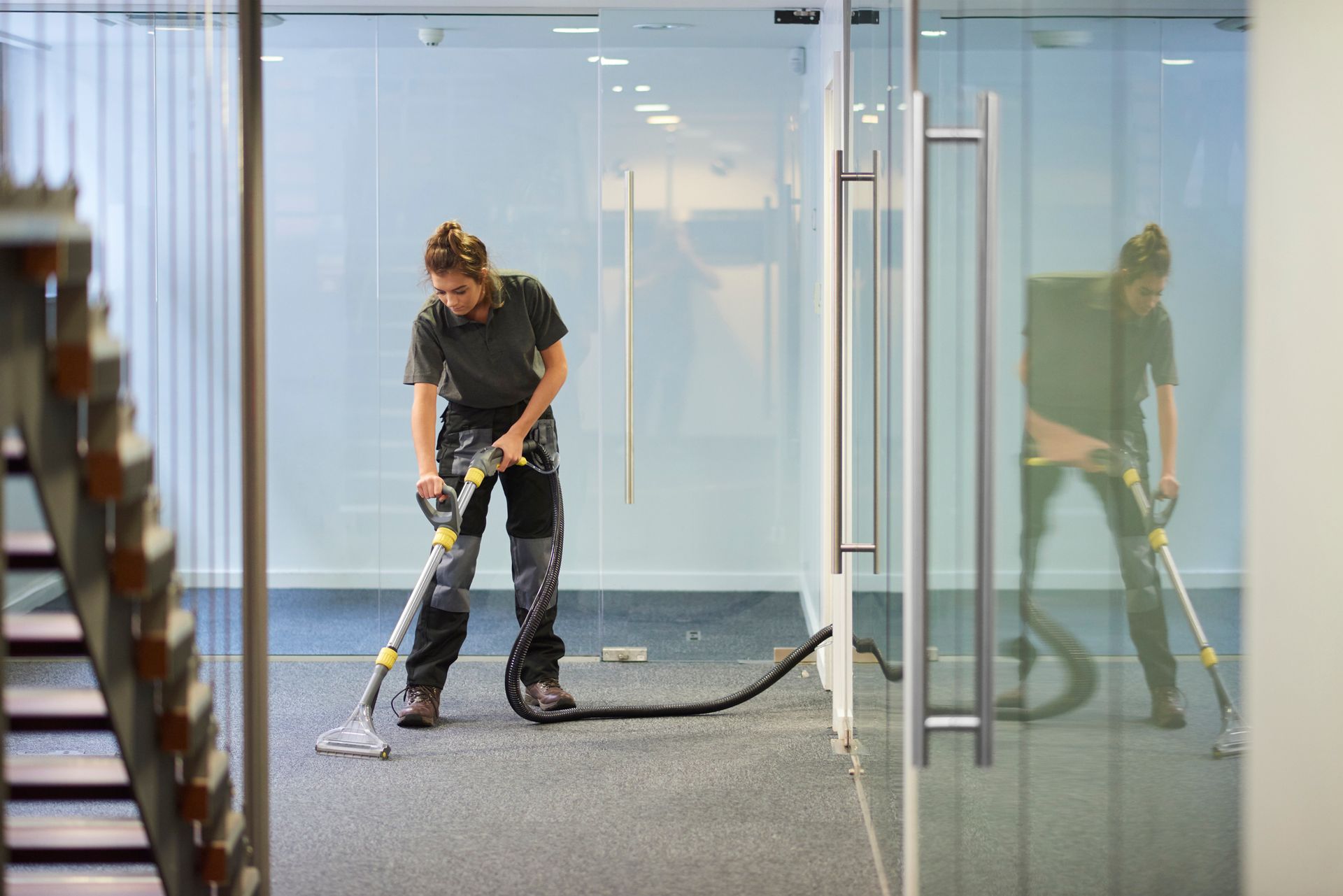
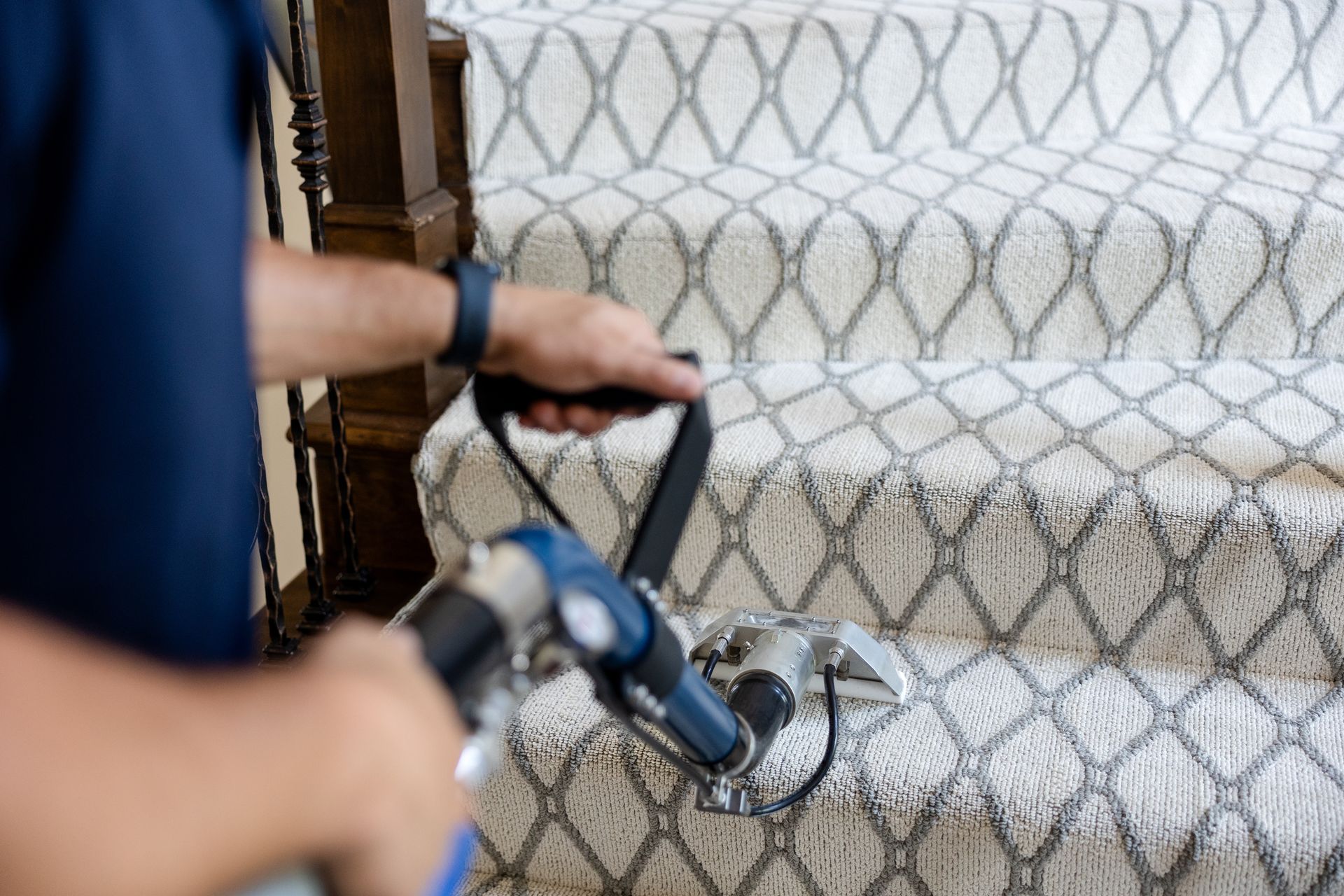
Hot-water extraction pushes heated water deep into the carpet pile and extracts it along with dissolved soils and odour-causing residue. This carpet cleaning method provides the deepest level of clean for most synthetic carpets and is highly effective for pet contamination when applied correctly. It requires adequate drying time, usually several hours, so good airflow is important.
Low-Moisture Methods
Low-moisture carpet treatment uses less water and dries faster, making it a practical option for maintenance cleans or moisture-sensitive floor situations. It is not always the most suitable method for heavily soiled or odour-affected areas but can be a useful part of a regular maintenance routine.
Which Should You Choose?
The right approach depends on fibre type, pad condition, the age of the stains, and the specific needs of the space.
A professional technician can assess the situation and recommend the most appropriate method. Attempting hot-water extraction without the right equipment can over-wet the carpet and cause more harm than good.
A Quick Summary: Best Carpet Treatment Tips for Pet Stains in Geelong, VIC
Handling pet stains well comes down to a few consistent principles:
- Blot immediately, never rub, and remove as much moisture as possible before it sets.
- Use carpet-safe, enzyme-based carpet cleaning products for stains and odours. Test first.
- Avoid heat, vinegar pastes, and non-carpet-specific chemicals.
- Address odours at the pad level, not just the surface.
- Improve airflow and reduce humidity during drying.
- Know when a stain or smell needs professional attention.
- Book routine professional carpet care to prevent deep soiling over time.
Staying on top of pet accidents and keeping a simple cleaning kit within reach makes the whole process far less stressful.
Book Your Carpet Clean Today!
If pet stains or stubborn odours are getting the better of your carpets, Geelong Commercial Cleaners is here to help. Serving local homes and businesses since 1968, the team brings decades of hands-on experience to every job. To request a free quote or discuss your carpet concerns, head to the
contact page.